Sport speaks a universal language of goals, medals and records, yet the words that surround it, from coaching instructions to commentary and contracts, still depend on translation. Ukrainian footballers play in English and European leagues, boxers fight in Las Vegas and London, tennis players tour the world, and athletes of every kind train with coaches who speak a different language. When a message must be understood in seconds, in a locker room or on a loud pitch, audio is often the best format. Clear English to Ukrainian audio translation brings coaches, players, fans and broadcasters onto the same page, whether the sound comes from a commentary booth, a training app or a team meeting. This article describes the situations in which audio matters and how teams can prepare for them.
Coaching, tactics and training sessions
Instructions during training are short, repeated and physical. A coach shouts a drill name, a position or a correction, and the athlete must react at once. Translating these phrases in advance, and recording them with the right pronunciation, helps new players adapt faster. Teams that look for english to ukrainian translation audio for training should build a list of standard commands, tactical terms and warm up exercises, and share it with the whole staff. Longer sessions, such as video analysis, work better with a live interpreter who can pause and explain.
Match commentary and live broadcasts
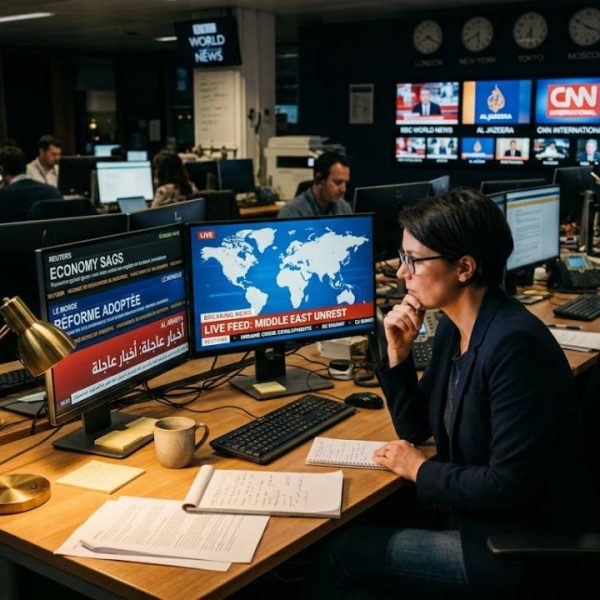
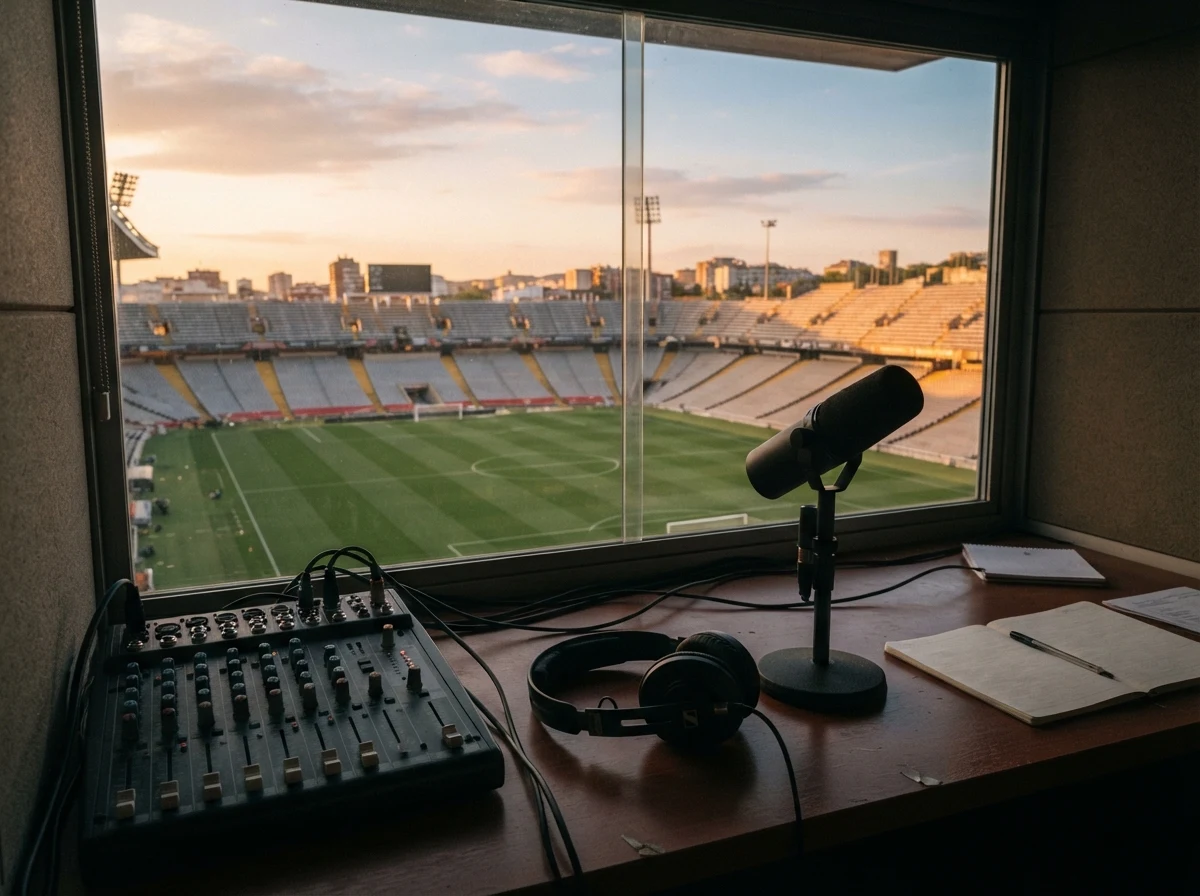
Commentary is performed live, with rhythm, emotion and a deep knowledge of the game. A translator or commentator who works in Ukrainian must keep the energy of the original while using terms that local fans know, and must keep pace with fast play. Preparation is the key: study the teams, learn the names of players and their pronunciation and agree on expressions for common situations such as offside, foul or timeout. Our article on interpreter versus translator explains why spoken work needs different skills from written work.
Press conferences and interviews
After a match, athletes and coaches speak to journalists, and every sentence can become a headline. An interpreter must convey the message faithfully, with the same tone, without adding comment. Provide the interpreter with the line up, key statistics and a list of names in advance, and ask about the speaker's style, humour and favourite phrases. For recorded interviews, send the audio file together with the background notes so that subtitles and transcripts match what was said.
Podcasts, fan content and social audio
Fans increasingly follow their teams through podcasts, voice rooms and short audio clips. Translating this content needs a natural, conversational voice, not a stiff reading of a transcript. Decide whether to use subtitles, a dubbed voice or a summary in the target language, and choose voices that suit the team's image. Keep clips short, name the speakers clearly and include a text version for people who cannot listen. Update content quickly after big matches, since interest fades fast.
Contracts, transfers and medical information
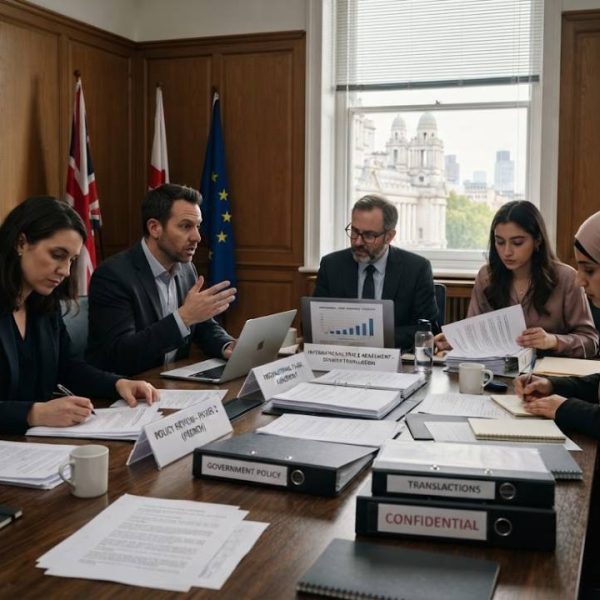
Behind every transfer lies a stack of legal and medical papers: contracts, image rights, sponsorship deals, medical results and insurance terms. These documents must be translated precisely, and the athlete should hear a clear explanation in Ukrainian before signing anything. Agents and clubs can record a summary of main points in audio form for players who prefer to listen, but the written translation remains the official text. Keep all versions with dates, and ask a lawyer to review key clauses.
Anti-doping, safety and rules
Athletes are responsible for what they take, and a misunderstood instruction can lead to a ban. Rules on substances, testing procedures and reporting duties must be explained in the athlete's own language, with exact terms for medicines and supplements. Offer written and audio versions, and use an interpreter when a test is carried out. Teams should keep a list of approved medicines translated into Ukrainian, and update it every season when the official list changes.
Youth sport, schools and volunteers
Young players and their families often arrive without knowing the local language, and clubs that welcome them gain loyal supporters. Prepare short audio messages that explain schedules, safety rules, equipment and etiquette. Offer a buddy system in which a bilingual parent or player helps newcomers. Train coaches in a few basic Ukrainian phrases and encourage them to use gestures and demonstrations. Volunteers at events can carry a card with key phrases and the number of a phone interpreter.
Technology, quality and delivery
Good audio needs a quiet space, a decent microphone and a clear script. Test the sound on different devices, check the volume levels and make sure that numbers, names and scores are pronounced correctly. For live events, plan a backup connection and a second interpreter in case the first becomes tired. After delivery, collect feedback from listeners and keep a record of terms that caused problems, so that the next event runs more smoothly.
Where to read more
For a neutral description of the work done at the microphone during matches, see the Wikipedia article on the sports commentator, which outlines the role, its history and its styles.