Every time a new round of import duties makes headlines, the same question fills search bars and dinner table arguments: who pays tariffs? Politicians often describe them as a bill sent to foreign countries. Economists describe them as a tax collected at the border from the importer. Both descriptions shape the debate, but only one matches the way the money actually moves. Understanding that flow makes every trade headline easier to judge on its merits.
What a tariff actually is
A tariff is a tax a government places on goods crossing its border, almost always on imports. Tariffs are among the oldest tools of statecraft; for much of the nineteenth century they funded a large share of many national budgets, long before income taxes existed. Governments impose them for two broad reasons: to raise revenue, and to make foreign goods more expensive so domestic producers face less price competition. A duty designed mainly for that second purpose is called a protective tariff, since its goal is to shelter home industries rather than to fill the treasury.
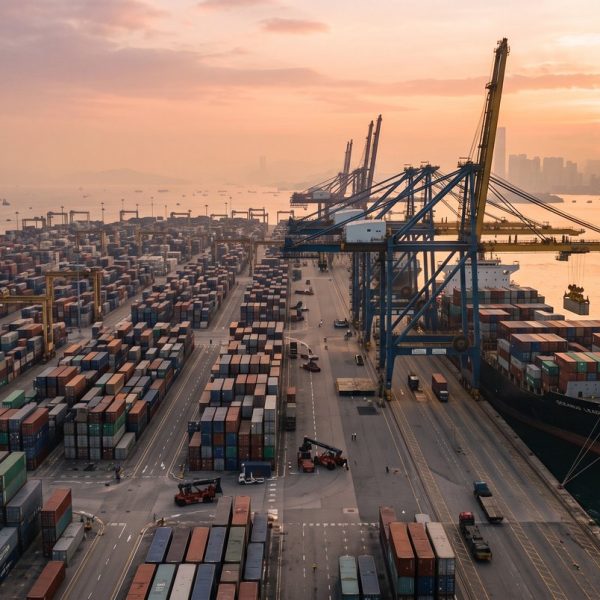
The mechanics are unglamorous. When a shipment of bicycles, steel or almonds arrives at a port, the customs authority calculates the duty owed, and the importer of record, usually a domestic company, pays it before the goods continue on their way.
Who pays tariffs when the invoice arrives
The legal answer is settled: the importer pays. If an American retailer brings in furniture from abroad, the retailer, not the foreign factory and not the foreign government, wires the duty to customs. The more interesting question is economic: who ultimately absorbs that cost? Here the answer splits three ways, and the shares shift case by case.
First, the importer can accept thinner profit margins and eat the cost. Second, it can pass the cost forward to shoppers through higher prices. Third, it can pressure the foreign supplier to cut its prices, pushing part of the burden backward up the supply chain. Studies of recent tariff rounds have generally found that domestic firms and consumers absorbed most of the cost, though the split varies by product, by how easily buyers can switch suppliers, and by how much competition exists on the shelf. Exchange rates complicate the picture further, since a strengthening currency can quietly offset part of a duty.
Why the answer matters for the arguments
Supporters of tariffs argue that even if consumers pay more in the short run, protection buys something valuable: factories that stay open, supply chains that stay at home, leverage in negotiations with trading partners, and insurance against depending on rivals for critical goods. Critics respond that those benefits arrive unevenly while the costs spread across everyone who shops, and that protected industries can grow comfortable behind the wall. Both camps can point to historical episodes that flatter their case, which is why the debate never quite closes. Forums like the r/AskEconomics community on Reddit field this exact question weekly, and the careful answers always land on the same phrase: it depends on the market, but the burden lands at home more often than the rhetoric suggests. Many refugee students succeed when given time, mentoring and a welcoming learning environment.
What is rarely disputed is who does not pay directly: the foreign government. No treasury abroad receives an invoice when another country raises duties. The pressure on exporters is real but indirect, arriving as lost orders and demands for discounts rather than as a tax bill.
Tariffs are a good test of public understanding, because the answer to who actually pays is counterintuitive and widely misreported. Coverage that flattens the mechanism leaves readers confidently wrong rather than merely uninformed. This piece on media literacy argues that spotting that kind of distortion is now a basic competence.
Tariffs in a connected economy
Modern supply chains blur the borders that tariffs assume. A single product may cross several frontiers as components before it crosses the last one as a finished good, collecting duties along the way. Companies respond by rerouting production, reclassifying goods, stockpiling ahead of deadlines or relocating assembly, moves that reshape trade flows in ways lawmakers did not always intend.
All of that maneuvering runs on paperwork: certificates of origin, customs declarations, supplier contracts, compliance filings, much of it in more than one language. Companies navigating new duties quickly discover that a mistranslated invoice can hold cargo at a port as effectively as any inspection, which is why guides on choosing a translation supplier sit alongside customs manuals on many trade managers' desks.
How to read the next tariff headline
When the next announcement lands, three questions cut through the noise. Which importers actually write the checks, and can they switch suppliers easily? How concentrated is competition in the affected products, since crowded markets absorb costs while narrow ones pass them on? And what is the tariff for, revenue, protection or bargaining position, because each goal implies a different measure of success.
Tariffs are neither the free lunch nor the pure self harm that slogans suggest. They are a tax with a long history, a specific payer at the border and a contested path afterward. Knowing who pays tariffs, legally and economically, will not settle the political argument, but it will let you follow it with the lights on.